Introduction
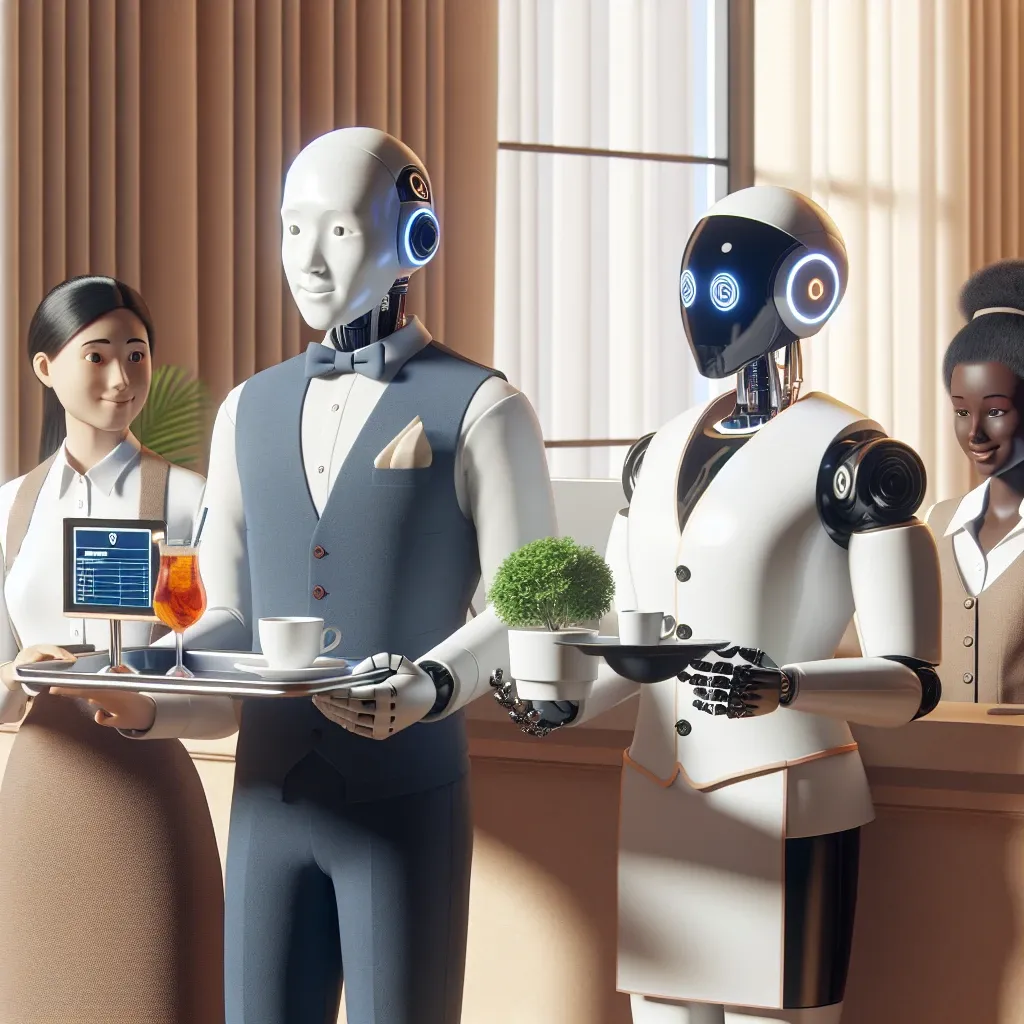
The advent of technology has ushered in a new era in various industries, and the service sector is no exception. Humanoid robots, designed to resemble and interact with humans, are increasingly stepping into customer-facing roles. This article delves into the implications of this technological shift, exploring the benefits, challenges, and future prospects of humanoid robots in the service industry.
The Rise of Humanoid Robots
Historically, robots were viewed primarily as machines limited to manufacturing and industrial tasks. However, advancements in artificial intelligence (AI) and robotics have paved the way for humanoid robots to engage more intimately in human environments. The first humanoid robot, Wabot-1, was developed in Japan in 1973, but it was only in the 21st century that technology caught up to its ambitious vision.
Today, robots like SoftBank’s Pepper and Boston Dynamics’ Atlas embody sophisticated mechanics and AI capabilities, enabling them to understand and respond to human emotions, gestures, and speech.
Humanoid Robots in Customer-Facing Roles
1. Enhancing Customer Experience
Humanoid robots serve as a bridge between technology and human interaction, offering a unique customer service experience. Their ability to engage with customers in a friendly and intuitive manner can significantly enhance the overall customer experience. For instance, in retail environments, robots can greet customers, provide product information, and assist with inquiries, thereby reducing wait times and improving service efficiency.
2. Increasing Operational Efficiency
With their efficiency and ability to process information rapidly, humanoid robots can handle routine tasks that would otherwise require several human employees. Tasks such as inventory management, order taking, and even billing can be automated through humanoid robots, enabling businesses to allocate human resources to more complex and interactive roles.
3. Cultural Integration
One of the fascinating aspects of humanoid robots is their capacity to adapt to various cultural contexts. For example, in Japan, humanoid robots are designed to reflect local customs and behaviors, thereby creating a more relatable experience for customers. This cultural integration can be vital in industries like hospitality, where customer service is often deeply intertwined with local traditions.
Challenges and Considerations
1. Acceptance and Trust
Despite the benefits, the integration of humanoid robots is met with skepticism by some consumers. Acceptance relies heavily on individuals’ willingness to trust robots with personal interactions and tasks. Building this trust is essential, and businesses must invest in creating robots that are not only functional but also empathetic.
2. Job Displacement Concerns
As humanoid robots take on more customer-facing roles, concerns about job displacement arise. While they can improve efficiency, the potential for reducing human jobs poses ethical and economic dilemmas. Companies must strike a balance between automation and maintaining a human workforce.
3. Technical Limitations
While humanoid robots are advanced, they still face technical limitations. Issues such as power consumption, mobility, and error rates can hinder their effectiveness in real-world applications. Continuous research and development are necessary to overcome these hurdles and improve robot capabilities.
The Future of Humanoid Robots in the Service Industry
Looking ahead, the role of humanoid robots in the service industry is expected to grow. As technology continues to evolve, we may see more sophisticated humanoid robots capable of deeper emotional connections with customers. They might not only serve as assistants but also as companions, especially in sectors like healthcare and eldercare, where human interaction is crucial.
1. Predictions for 2030
By 2030, it is projected that humanoid robots could occupy 20% of customer-facing roles in sectors such as retail, hospitality, and healthcare. This transformation will necessitate new training programs for human employees to work alongside robots effectively.
2. Integration with AI and Machine Learning
Future humanoid robots will likely integrate more advanced AI and machine learning capabilities, allowing them to learn from interactions and improve over time. This could lead to personalized customer experiences, where robots anticipate needs based on past behaviors.
Conclusion
Humanoid robots are already reshaping the service industry landscape, and their presence is expected to expand in the coming years. While challenges exist, the benefits they bring in terms of efficiency and customer experience are undeniable. As we continue to navigate this technological frontier, the dialogue surrounding humanoid robots will be critical in determining how they coexist with human workers and enhance service delivery.


Deixe um comentário